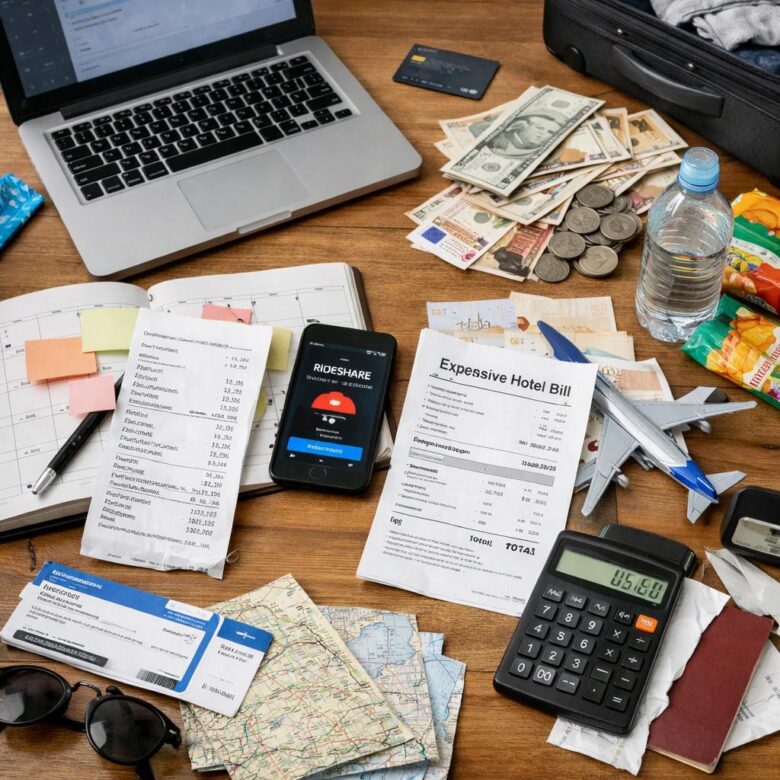
What if your “cheap” trip is already costing you more before you even leave?
Most travel expenses don’t explode because of luxury choices-they creep up through small planning mistakes: booking at the wrong time, ignoring fees, choosing the wrong airport, or packing badly.
The frustrating part is that many of these costs are avoidable with a few smarter decisions early in the planning process.
Before you reserve flights, hotels, tours, or rental cars, it pays to know the common travel planning mistakes that quietly turn an affordable getaway into an overpriced one.
Why Poor Travel Planning Increases Trip Costs Before You Even Book
Poor travel planning often raises your total trip cost before you pay for a single flight or hotel. When you search without flexible dates, compare only one booking site, or ignore local events, you may lock yourself into higher airfare, expensive accommodation, and limited travel insurance options.
A common example is planning a weekend trip to New York without checking the city calendar. If your dates overlap with a major conference, hotel rates near Midtown can jump quickly, and cheaper rooms may require long rideshare transfers or extra baggage storage fees. That “cheap” hotel can become expensive once transport and convenience are added.
Before booking, compare the full travel cost, not just the headline price. Tools like Google Flights, Skyscanner, and hotel price trackers can help you spot cheaper departure days, nearby airports, and better-value travel packages.
- Check flexible dates: Flying one day earlier or later can reduce airfare and improve seat availability.
- Review total fees: Baggage charges, resort fees, airport transfers, and cancellation policies affect the real price.
- Research demand triggers: Festivals, school holidays, trade shows, and sports events can raise hotel and car rental costs.
In practice, the best savings usually come from planning the order correctly: destination research first, price comparison second, booking third. That small shift helps you avoid rushed decisions, overpriced travel services, and non-refundable reservations that limit your options later.
How to Compare Flights, Hotels, Fees, and Timing to Avoid Hidden Travel Expenses
The cheapest travel option is not always the lowest total cost. When comparing flight deals, hotel rates, and booking platforms, look at the full trip price: baggage fees, resort fees, seat selection, airport transfers, parking, taxes, and cancellation rules. A $180 flight can easily cost more than a $230 flight if it charges extra for carry-on luggage and lands at an airport far from your hotel.
Use tools like Google Flights, Skyscanner, and hotel comparison sites to check flexible dates, nearby airports, and fare conditions. In real travel planning, shifting a flight from Sunday evening to Tuesday morning often lowers airfare and hotel rates because demand drops. The same applies to business districts on weekends or beach destinations during local holidays.
- Flights: Compare baggage allowance, refund policy, layover length, airport location, and arrival time.
- Hotels: Check resort fees, breakfast cost, parking fees, Wi-Fi charges, and public transport access.
- Timing: Price the same trip across different days, seasons, and booking windows before paying.
One practical habit is to create a simple “true cost” comparison before booking. For example, a hotel that is $25 cheaper per night may not be cheaper if it charges $40 daily for parking and is far from attractions. Read the final checkout page carefully, because many travel booking sites reveal service fees, local taxes, and payment charges only near the end.
Costly Travel Planning Mistakes to Avoid When Building Your Itinerary
A common itinerary mistake is planning around the cheapest headline price instead of the total trip cost. A low-cost flight with a late arrival can trigger extra hotel nights, expensive airport transfers, baggage fees, or a missed train connection. Always price the full door-to-door route before booking.
Another costly error is packing the schedule too tightly. If you land in Paris at 7 a.m. and book a non-refundable train to Lyon at 9 a.m., one flight delay can wipe out the savings. Build buffer time into major transfers, especially when separate airlines, rental car pickup, or cruise departures are involved.
- Compare flexible and non-refundable hotel rates before choosing the cheapest option.
- Check travel insurance coverage, credit card travel benefits, and rental car insurance before paying twice.
- Estimate mobile data costs and consider an international eSIM instead of expensive roaming.
Use tools like Google Flights for fare tracking and Rome2Rio to understand realistic ground transportation costs. For example, a cheaper airport 60 miles outside the city may look attractive until you add a private transfer, tolls, or late-night taxi pricing. I’ve seen travelers save on airfare but spend more overall because they ignored arrival times and local transport options.
Before finalizing your itinerary, map each day by location, not just by attraction. Group nearby sights, leave room for meals and check-in times, and avoid changing hotels unless the savings are meaningful. Smart travel planning is not about doing less; it is about avoiding expensive friction between each part of the trip.
Wrapping Up: Common Travel Planning Mistakes That Can Make Trips More Expensive Insights
The smartest travel savings often come before you book. Treat every choice-dates, airports, luggage, accommodation, insurance, and payment methods-as part of the total trip cost, not just the headline price. When in doubt, slow down and compare the full expense, including fees, flexibility, and convenience. A cheaper option is only worthwhile if it does not create bigger costs later. Build a small buffer into your budget, read the fine print, and make decisions based on value rather than urgency. Careful planning will not remove every surprise, but it can keep avoidable mistakes from turning an affordable trip into an expensive one.