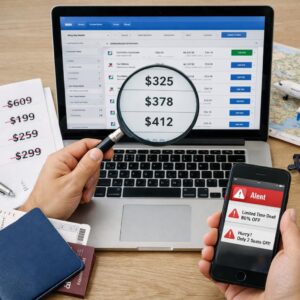
What if the most expensive trips aren’t the most comfortable-just the least strategic?
Travel comfort is not about paying premium prices at every step. It’s about knowing where to spend, where to save, and how to avoid the hidden costs that quietly drain your budget.
With the right timing, booking tactics, loyalty perks, and smarter choices on flights, hotels, meals, and transport, you can enjoy a smoother trip without feeling restricted.
This guide shows you how to cut travel costs while keeping the parts that matter most: good sleep, convenient routes, reliable service, and a trip that still feels worth taking.
What Comfortable Budget Travel Really Means: Prioritizing Value Over the Lowest Price
Comfortable budget travel is not about booking the cheapest flight, the smallest room, or the longest layover. It means spending where comfort protects your time, sleep, health, and overall trip quality, while cutting costs on things that do not improve the experience.
For example, a $90 hotel far from the city center may look cheaper than a $125 hotel near public transport, but once you add taxi fares, lost time, and inconvenience, the “budget” option can cost more. I’ve seen this often with airport hotels, where the room rate is low but transfers, meals, and early check-in fees quickly erase the savings.
A smarter approach is to compare total travel cost, not just the headline price. Use tools like Google Flights, Booking.com, or Rome2Rio to check flight times, baggage fees, hotel location, airport transfers, and cancellation policies before deciding.
- Pay more for sleep: better flight times, quieter hotels, and private rooms can prevent travel fatigue.
- Save on flexibility: travel midweek, use price alerts, and choose refundable rates only when plans may change.
- Watch hidden fees: baggage, resort fees, seat selection, parking, and foreign transaction charges can change the real price.
The best budget travel decisions usually feel balanced, not extreme. If a slightly higher travel insurance plan, airport lounge pass, or well-located hotel reduces stress and avoids extra costs later, it may be the better-value choice.
How to Cut Major Travel Costs Without Downgrading Flights, Hotels, or Experiences
The biggest savings usually come from reducing “invisible” travel costs, not choosing worse flights or cheaper hotels. Before booking, compare the total trip cost: baggage fees, airport transfers, resort fees, foreign transaction charges, seat selection, car rental insurance, and travel insurance can quietly add hundreds to a comfortable vacation.
Use fare tracking tools like Google Flights or Hopper to monitor premium economy, direct flights, and better departure times instead of only searching for the lowest fare. A real-world example: on a recent city break, shifting the flight by one day kept the same airline and hotel class but reduced the airfare and lowered the nightly hotel rate because it avoided a local event weekend.
- Book hotels through loyalty programs: chains often include free Wi-Fi, late checkout, room upgrades, or breakfast, which can beat a slightly cheaper third-party rate.
- Use the right travel credit card: benefits such as airport lounge access, rental car coverage, trip delay protection, and no foreign transaction fees can replace paid extras.
- Pre-book local transport: comparing airport transfer services, ride-hailing apps, and public express trains helps avoid inflated taxi fares on arrival.
Another practical move is bundling only when it truly adds value. Flight and hotel packages from platforms like Expedia can be cheaper, but always compare the standalone price and cancellation policy first, especially for flexible travel dates or refundable hotel bookings.
Finally, protect the experience budget. Saving $80 on fees or insurance duplication is often better than cutting a guided tour, spa visit, or better dinner that actually makes the trip feel memorable.
Advanced Booking, Loyalty, and Fee-Avoidance Strategies for Higher-Comfort Trips at Lower Prices
Comfort gets cheaper when you plan around fare rules, loyalty perks, and hidden travel fees-not just the ticket price. Use tools like Google Flights or Skyscanner to track flexible-date fares, then compare the total cost directly with the airline or hotel website, where free seat selection, better cancellation terms, or member-only rates may be included.
A practical example: a nonstop flight may look $40 more expensive than a budget airline, but if the cheaper fare charges for a carry-on bag, seat assignment, and airport check-in, the “deal” can disappear fast. I’ve often seen travelers save money by choosing a standard economy fare with included baggage instead of upgrading later through multiple add-on fees.
- Book refundable or flexible rates strategically: Reserve early when prices are low, then recheck before the cancellation deadline. If the hotel rate drops, cancel and rebook.
- Join loyalty programs before booking: Free hotel loyalty accounts can unlock Wi-Fi, late checkout, room upgrades, and lower member pricing.
- Use the right travel credit card: Cards with travel insurance, no foreign transaction fees, airport lounge access, or baggage benefits can reduce real trip costs.
For hotels, compare Booking.com, Expedia, and the property’s own website, but pay attention to resort fees, parking costs, breakfast charges, and taxes. A slightly higher nightly rate with free breakfast and central location can be far better value than a cheaper room that requires taxis every day.
Wrapping Up: How to Save Money on Travel Without Reducing Comfort Insights
Saving money on travel does not mean accepting a lower-quality experience; it means making smarter trade-offs. The best approach is to spend intentionally on what affects comfort most-good sleep, convenient routes, safe locations, and reliable transport-while cutting costs on flexible items like timing, extras, and booking methods.
Practical takeaway: plan early, compare total value rather than headline prices, and choose upgrades only where they genuinely improve your trip. When comfort and cost compete, prioritize decisions that protect your time, rest, and peace of mind.