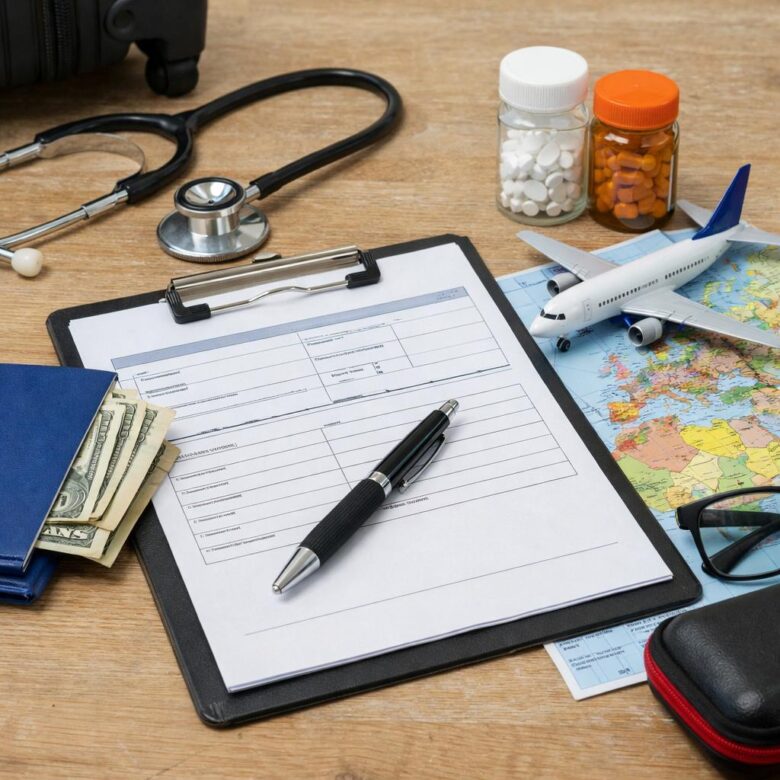
What if the most expensive part of your trip isn’t the flight-but the hospital bill?
International travel can expose you to medical costs your regular health insurance may not cover, from emergency treatment to air evacuation.
A strong medical travel insurance policy can protect your health, finances, and itinerary when illness or injury strikes abroad.
This guide explains what to look for, what to avoid, and how to choose coverage that fits your destination, trip length, and risk level.
What Medical Travel Insurance Covers-and Why It Matters for International Trips
Medical travel insurance helps pay for unexpected healthcare costs when you are outside your home country, where your regular health insurance may offer little or no coverage. The most important benefit is emergency medical care, including doctor visits, hospital stays, ambulance services, diagnostic tests, prescriptions, and urgent treatment after an accident or sudden illness.
For example, if you slip on wet stairs in Italy and need X-rays, stitches, and follow-up care, a good international travel insurance policy can prevent you from paying the full hospital bill out of pocket. In many destinations, private clinics may ask for payment upfront, so having a policy with 24/7 assistance and direct billing can make a real difference.
- Emergency medical evacuation: Covers transport to a better-equipped hospital or back home if local care is not suitable.
- Trip interruption due to illness: May reimburse unused bookings and extra flight costs if a medical issue forces you to return early.
- Medical assistance services: Helps locate English-speaking doctors, verify hospitals, and coordinate claims paperwork.
When comparing plans on platforms like Squaremouth or InsureMyTrip, look closely at coverage limits, deductibles, exclusions, and whether pre-existing medical conditions are covered. A cheaper policy may look attractive, but low emergency medical limits or no evacuation coverage can be risky for long-haul trips, cruises, adventure travel, or countries with expensive private healthcare.
The practical value is simple: medical travel insurance gives you access to care, financial protection, and support when you are far from your usual doctors. That matters most when a minor problem becomes urgent in an unfamiliar healthcare system.
How to Compare Medical Travel Insurance Plans Before You Go Abroad
Start by comparing the benefits that actually affect your risk, not just the cheapest premium. A low-cost medical travel insurance plan may look fine until you notice a high deductible, low emergency medical coverage limit, or no emergency medical evacuation benefit. For example, if you are hiking in Peru or skiing in Switzerland, evacuation coverage can matter more than trip delay benefits.
Use a reputable comparison platform such as Squaremouth or InsureMyTrip to review multiple travel health insurance quotes side by side. Look closely at whether the policy pays hospitals directly or requires you to pay upfront and file a claim later, because that detail can make a real difference during an overseas emergency. Also check if the insurer offers 24/7 assistance, telemedicine services, and multilingual support.
- Coverage limits: Choose higher emergency medical coverage for countries with expensive private healthcare, such as the United States, Japan, or Switzerland.
- Exclusions: Review rules for pre-existing conditions, adventure sports, alcohol-related injuries, and motorcycle accidents.
- Claims process: Check required documents, claim filing deadlines, and whether digital claims are available through an app.
One practical tip: match the policy to your itinerary, not just your destination. A city break in Lisbon may need basic travel medical insurance, while a multi-country trip with remote areas may justify higher medical evacuation insurance and stronger hospital network access. Before buying, read the certificate of insurance carefully and save the emergency contact number offline on your phone.
Common Medical Travel Insurance Mistakes That Can Lead to Denied Claims
One of the most expensive mistakes is buying medical travel insurance after symptoms start or after a storm, strike, or outbreak is already announced. Travel insurance is designed for unexpected events, so if you wake up with chest pain in Italy and purchase a policy the same morning, the emergency medical claim will likely be rejected.
Another common issue is misunderstanding pre-existing condition coverage. Many international travel insurance plans require you to buy the policy within a specific time after your first trip payment and insure the full trip cost to qualify for a pre-existing condition waiver. If you take blood pressure medication, insulin, or have recent test results pending, read this section carefully before choosing the cheapest plan.
- Not getting insurer approval before non-emergency treatment or hospital admission
- Failing to keep itemized bills, doctor notes, prescriptions, and payment receipts
- Assuming adventure sports, scooter accidents, or alcohol-related injuries are covered
A real-world example: a traveler in Thailand rents a scooter, crashes, and later discovers the policy excludes motorcycle use without a valid local license or helmet. The hospital bill, medical evacuation cost, and follow-up treatment can become personal expenses fast.
Use comparison tools like Squaremouth or InsureMyTrip to review exclusions, emergency assistance services, deductibles, and claim requirements before buying. Also save the insurer’s 24/7 emergency assistance number offline; in serious cases, that call can determine whether direct hospital billing is arranged or whether you must pay upfront and seek reimbursement later.
Closing Recommendations
Medical travel insurance is not a formality-it is a financial safeguard. The right policy should match your destination, health profile, trip cost, and tolerance for risk. Before buying, compare emergency medical limits, evacuation coverage, exclusions, pre-existing condition rules, and claim requirements.
Choose a plan that gives you clear access to care abroad, not just the lowest premium. If you are unsure, favor stronger medical and evacuation benefits over minor trip extras. A few minutes of careful review before departure can prevent costly decisions during a medical emergency overseas.