
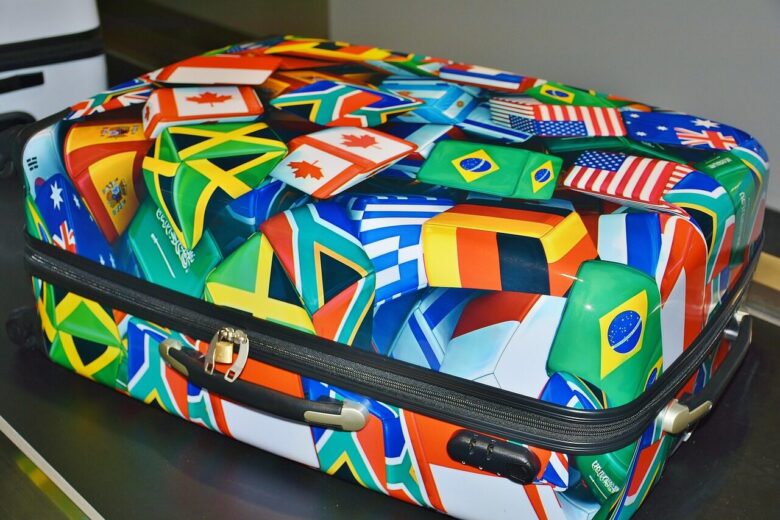
Lost luggage insurance helps travelers recover part of the cost when checked bags or personal belongings are lost, stolen, damaged, or delayed during a trip. It is usually included inside a broader travel insurance policy, but the exact protection depends on the plan, the insurer, the airline rules, and the documents you can provide.
For many travelers, the real problem is not only the missing suitcase. It is the sudden need to buy clothing, toiletries, chargers, medication-related supplies, or other basic items while waiting for the airline or insurer to respond. A good policy can reduce that pressure, but it does not work like an unlimited refund.
Before buying coverage, it is important to understand the difference between airline compensation and travel insurance. Airlines may have responsibility for lost, delayed, or damaged checked baggage, but they apply their own procedures, deadlines, and liability limits. Travel insurance may help with expenses that the airline does not fully cover, depending on the policy wording.
This guide explains how lost luggage insurance works, what travelers should check before purchasing a policy, which documents are usually needed, and which mistakes can make a claim harder to approve. The goal is to help you read the coverage with more confidence before your next trip.
Important note: baggage coverage can vary by country, airline, insurer, route, and policy type. Before relying on any protection, read the official policy document, confirm claim deadlines, and avoid submitting personal or payment information through unofficial websites.
How Lost Luggage Insurance Works
Lost luggage insurance is designed to reimburse eligible costs when your baggage or covered personal items are lost, stolen, delayed, or damaged during a covered trip. In many policies, this benefit is listed as baggage loss, baggage delay, personal effects coverage, or luggage protection.
The insurer usually does not pay automatically just because a bag is missing. You normally need to report the problem to the airline, obtain written proof such as a Property Irregularity Report, keep receipts, and submit a claim within the deadline stated in the policy.
In practice, baggage insurance works best when you can clearly show what happened, when it happened, which company handled the bag, what you bought as an emergency replacement, and why those purchases were reasonable for the trip.
| Situation | What It Usually Means | What Travelers Should Check |
|---|---|---|
| Delayed baggage | Your bag arrives late, but is not officially declared lost. | Minimum delay time, daily limit, eligible essential purchases, and receipt rules. |
| Lost baggage | The airline or carrier cannot locate the bag after its internal search period. | Maximum reimbursement, depreciation rules, proof of ownership, and airline settlement. |
| Damaged baggage | The suitcase or items arrive broken, torn, or unusable. | Photo evidence, repair estimates, exclusions for normal wear, and reporting deadline. |
| Stolen personal effects | Covered belongings are stolen during the trip. | Police report requirements, unattended baggage exclusions, and limits for valuables. |
What Lost Luggage Insurance May Cover
A typical policy may cover checked baggage, personal clothing, toiletries, shoes, and other ordinary travel items. Some policies also include coverage for carry-on belongings, but only under specific circumstances, such as theft, damage, or loss while under the responsibility of a carrier.
Baggage delay coverage is often separate from baggage loss coverage. Delay coverage usually helps with necessary purchases while you wait for the bag. Lost baggage coverage is more focused on reimbursement for the bag and its contents after the loss is confirmed.
Travelers should be careful with expensive items. Jewelry, watches, cameras, laptops, tablets, designer goods, sports equipment, musical instruments, and business items may have lower sub-limits or may be excluded unless extra coverage is purchased.
- Check the total baggage coverage limit per traveler.
- Check whether there is a separate limit per item.
- Review special limits for electronics, jewelry, cameras, and luxury goods.
- Confirm whether checked baggage, carry-on baggage, or both are covered.
- Read the rules for baggage delay, including the minimum number of hours required.
- Check whether the policy pays actual cash value, replacement cost, or another calculation.
Airline Compensation Versus Travel Insurance
Airline compensation and travel insurance are related, but they are not the same thing. The airline may be responsible when checked baggage is lost, delayed, or damaged while under its control. Travel insurance is a separate contract that may reimburse eligible costs according to the policy terms.
In many cases, the insurer may ask you to claim from the airline first or provide proof of what the airline paid. This helps prevent duplicate payment for the same loss. It also shows the insurer that the baggage problem was officially reported.
A common mistake is assuming that travel insurance replaces the airline claim process. It usually does not. If your bag does not arrive, the safest first step is to report it at the airport baggage desk before leaving the arrivals area.
| Option | Best Use | Main Limitation |
|---|---|---|
| Airline claim | Reporting lost, delayed, or damaged checked baggage handled by the carrier. | Payment depends on airline rules, legal limits, proof, and claim deadlines. |
| Travel insurance claim | Recovering covered expenses not fully handled by the airline. | Coverage depends on policy wording, exclusions, limits, and documentation. |
| Credit card travel protection | Extra protection when the trip was paid with an eligible card. | Benefits may require activation, eligible payment method, and strict conditions. |
What to Check Before Buying a Policy
Before buying lost luggage insurance, do not focus only on the headline benefit amount. The most important details are often found in the policy wording, benefit schedule, exclusions, and claims section.
Look for the maximum payout, deductible, waiting period for delayed bags, excluded items, documentation rules, and whether the plan covers domestic trips, international trips, cruises, transfers, or multiple destinations.
Na prática, travelers often discover limitations only after a problem happens. Reading the policy before departure is less exciting than planning the itinerary, but it can prevent expensive surprises later.
- Confirm the baggage loss limit and baggage delay limit separately.
- Check whether the plan has a deductible or excess.
- Read the list of excluded items carefully.
- Check whether unattended bags are excluded.
- Confirm whether receipts are required for both old items and emergency purchases.
- Check whether high-value items need extra coverage.
- Review deadlines for notifying the insurer and submitting documents.
Step-by-Step: What to Do If Your Luggage Is Lost
When a suitcase does not arrive, the first few hours matter. Acting quickly helps the airline locate the bag and gives your insurer stronger evidence if you need to make a claim later.
-
Report the missing bag before leaving the airport.
Go to the airline baggage service desk and file an official report. Ask for a copy or reference number. This document is important because it proves the problem was reported promptly.
-
Keep your baggage tag and boarding pass.
The baggage tag links your suitcase to your flight record. Do not throw it away until the issue is fully resolved and any insurance claim is closed.
-
Ask the airline how tracking and delivery will work.
Confirm whether the airline will deliver the bag to your hotel or address. Write down contact channels and keep screenshots of tracking updates when available.
-
Buy only reasonable essential items.
If you need clothing, toiletries, or basic supplies, keep purchases practical. Insurers and airlines may reject luxury or unnecessary expenses, even if the delay is frustrating.
-
Save every receipt.
Receipts should show the date, store, item, and amount paid. Card statements alone may not be enough because they often do not prove what was purchased.
-
Contact your travel insurer as soon as possible.
Ask which documents are required and whether the insurer needs you to wait for the airline’s final decision. This avoids submitting an incomplete claim.
-
Follow up in writing.
Email or online claim forms create a useful record. Keep copies of messages, claim numbers, airline replies, and delivery confirmations.
Common Mistakes That Can Hurt a Claim
One of the most common mistakes is leaving the airport without reporting the missing or damaged bag. Without an official report, it becomes harder to prove when and where the problem happened.
Another mistake is buying expensive replacement items without checking the policy. Baggage delay coverage is usually meant for necessary short-term purchases, not a full wardrobe upgrade.
Travelers also make claims harder when they pack valuables in checked luggage. Many airlines and insurers limit or exclude expensive electronics, jewelry, cash, fragile items, and important documents.
| Mistake | Possible Consequence | Better Approach |
|---|---|---|
| Not filing an airport report | The insurer may question whether the loss was properly documented. | Report the issue immediately and keep the reference number. |
| Throwing away receipts | Emergency purchases may not be reimbursed. | Keep itemized receipts until the claim is finished. |
| Packing valuables in checked bags | High-value items may be excluded or limited. | Carry essential valuables and documents in your hand luggage. |
| Missing claim deadlines | The airline or insurer may deny the claim. | Check deadlines immediately after the problem happens. |
Documents Travelers Usually Need
Insurance claims depend heavily on proof. Even a valid claim can be delayed if the traveler does not provide the right documents. The exact list varies by insurer, but some records are commonly requested.
You may need the airline baggage report, baggage tag, boarding pass, flight itinerary, travel insurance certificate, proof of payment, receipts for emergency purchases, photos of damaged items, and any written response from the airline.
If the bag is stolen, the insurer may also require a police report or an official local authority report. This is especially important when the theft happens outside the airport, such as at a hotel, train station, restaurant, or public place.
- Airline baggage report or Property Irregularity Report.
- Baggage tag and boarding pass.
- Travel insurance policy number and certificate.
- Trip itinerary and proof of travel dates.
- Receipts for emergency purchases.
- Proof of ownership for expensive items when available.
- Photos of damage, if the bag or contents arrived broken.
- Police report for theft, when required by the policy.
When to Contact the Insurer, Airline, or Official Support
Contact the airline immediately when baggage is missing, delayed, or damaged after a flight. The airline is the first source of tracking information and the first place to create an official record.
Contact the insurer as soon as you know that the delay or loss may create costs. Do not wait until the end of the trip if you are unsure what is covered. A quick call or online message can clarify limits, documents, and deadlines.
If the airline or insurer does not respond clearly, use the official complaint channel listed in your policy, airline website, or national aviation authority. For complex claims, expensive losses, or disputed denials, it may be worth contacting a consumer protection agency or qualified professional in your country.
Practical Tips to Reduce the Risk of Lost Luggage
No traveler can control every baggage handling problem, but a few simple habits can reduce risk and make recovery easier. These habits are especially useful on trips with connections, multiple airlines, or short layovers.
Remove old airline tags before checking in, use a strong luggage tag, place your contact details inside the bag, and take photos of the suitcase before departure. A clear photo can help airline staff identify the bag more quickly.
Keep medication, travel documents, electronics, chargers, one change of clothes, and essential personal items in your carry-on when possible. If your checked bag is delayed, these items can make the first day much easier.
| Before the Trip | Why It Helps | Extra Care |
|---|---|---|
| Photograph your suitcase | Helps describe the bag if it goes missing. | Include brand, color, size, and any distinctive marks. |
| Remove old baggage tags | Reduces confusion during handling. | Check side handles and sticker residue too. |
| Keep essentials in carry-on | Reduces emergency purchases if checked baggage is delayed. | Follow airline and airport security rules for liquids and batteries. |
| Read your insurance policy | Helps you know limits and required documents before a problem. | Save a digital copy offline before traveling. |
Conclusion
Lost luggage insurance can be useful when a baggage problem creates unexpected costs, but it works only within the limits of the policy. The best protection comes from understanding what is covered, what is excluded, and which documents are needed before you travel.
The most important steps are simple: report the issue immediately, keep your baggage tag, save receipts, contact the insurer early, and avoid packing valuables or essential documents in checked luggage. These habits make both airline and insurance claims easier to support.
If your claim involves expensive items, unclear policy wording, missed deadlines, or a dispute with the airline or insurer, check official sources and consider getting help from the appropriate consumer authority or qualified professional. Lost luggage insurance is most helpful when it is treated as part of a careful travel plan, not as a last-minute guess.
FAQ
1. What is lost luggage insurance?
Lost luggage insurance is a travel insurance benefit that may reimburse you if your baggage or covered personal belongings are lost, stolen, damaged, or delayed during a covered trip. It is usually part of a broader travel insurance plan rather than a standalone product. The exact protection depends on the policy, so travelers should check the benefit limit, deductible, excluded items, claim deadlines, and required documents before buying.
2. Does lost luggage insurance cover delayed baggage?
Many travel insurance policies include baggage delay coverage, but it is usually separate from lost baggage coverage. Baggage delay benefits may reimburse reasonable essential purchases, such as basic clothing and toiletries, after your bag has been delayed for the minimum number of hours stated in the policy. The insurer normally requires receipts and proof that the airline delayed the bag. Luxury purchases or items unrelated to immediate travel needs may not be covered.
3. Do I need to claim from the airline before using insurance?
In many cases, yes. Insurers often ask for proof that you reported the problem to the airline and may request details of any airline payment before processing your insurance claim. This does not always mean you must wait forever, but you should create an official airline record immediately. The airline report, baggage tag, and written updates can support both the airline claim and the travel insurance claim.
4. What should I do first if my bag does not arrive?
Go to the airline baggage service desk before leaving the airport and file a missing baggage report. Ask for a copy, reference number, or digital confirmation. Keep your baggage tag, boarding pass, and itinerary. Then check your travel insurance policy or contact the insurer to confirm what purchases are allowed, what documents are needed, and how soon you must submit the claim.
5. Are expensive items covered by lost luggage insurance?
Expensive items may be limited or excluded. Many policies have special sub-limits for jewelry, watches, electronics, cameras, designer items, sports equipment, or business gear. Some policies exclude cash, documents, fragile items, or valuables packed in checked baggage. If you travel with high-value items, read the policy carefully and consider whether you need extra coverage. When possible, keep valuables in your carry-on.
6. Does travel insurance pay the full value of lost items?
Not always. Some policies reimburse actual cash value, which may account for age, wear, and depreciation. Others may use replacement cost rules, but only up to the policy limit and subject to proof. The insurer may ask for receipts, photos, warranties, or other evidence of ownership. If you cannot prove the value of an item, the payout may be reduced or denied.
7. What documents are usually needed for a claim?
Common documents include the airline baggage report, baggage tag, boarding pass, travel itinerary, insurance policy number, receipts for emergency purchases, proof of ownership for lost items, photos of damage, and written communication from the airline. For theft, a police or local authority report may be required. Each insurer has its own rules, so confirm the document list as soon as possible.
8. Can I buy replacement clothes and toiletries right away?
You can usually buy reasonable essentials if your baggage is delayed, but you should check the policy first when possible. Baggage delay benefits often have a waiting period, a daily limit, and a total maximum benefit. Keep itemized receipts and avoid expensive or unnecessary purchases. The safest approach is to buy what you genuinely need for the immediate part of the trip.
9. Does lost luggage insurance cover carry-on bags?
Some policies may cover carry-on belongings if they are stolen, damaged, or lost under covered circumstances, but the rules can be stricter than for checked baggage. If the item was left unattended or lost because of carelessness, the claim may be denied. Airlines are usually more responsible for checked baggage than for personal items you keep with you, so check both the policy and airline rules.
10. What is not usually covered?
Common exclusions may include unattended bags, cash, tickets, passports, fragile items, wear and tear, confiscated items, business samples, high-value items above sub-limits, and losses not reported within the required deadline. Some policies also exclude items packed against airline rules. Because exclusions vary, travelers should read the full policy wording rather than relying only on the sales page.
11. Is credit card luggage protection enough?
Credit card travel protection can be useful, but it may not be enough for every trip. Some cards require you to pay for the trip with that card, activate the benefit, meet eligibility rules, or file documents within strict deadlines. Coverage limits and exclusions can also be different from a standalone travel insurance policy. Compare both options before assuming your card fully protects your baggage.
12. When should I contact official support or a consumer authority?
You should contact official support if the airline or insurer gives unclear answers, delays the claim without explanation, denies a claim you believe is valid, or asks for documents that are impossible to provide without a reason. Start with the airline’s official complaint process and the insurer’s claim appeal process. If the dispute continues, check the aviation authority, insurance regulator, or consumer protection body for your country.
Editorial note: This article is for educational purposes and does not replace reading your travel insurance policy, airline conditions of carriage, or official consumer guidance before making a claim or purchasing coverage.
Official References
- U.S. Department of Transportation — Lost, Delayed, or Damaged Baggage
- Your Europe — Air Passenger Rights
- UK Civil Aviation Authority — Lost, Delayed or Damaged Baggage
- National Association of Insurance Commissioners — Travel Insurance

The Feriafo Journey Editorial Team publishes practical and accessible content about travel planning, flights, accommodation, travel insurance, trip budgeting, destination research, and safer travel decisions. Our guides focus on clear comparisons, realistic costs, responsible planning, and information travelers should verify before booking.