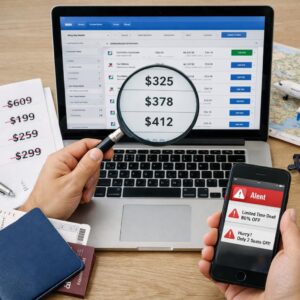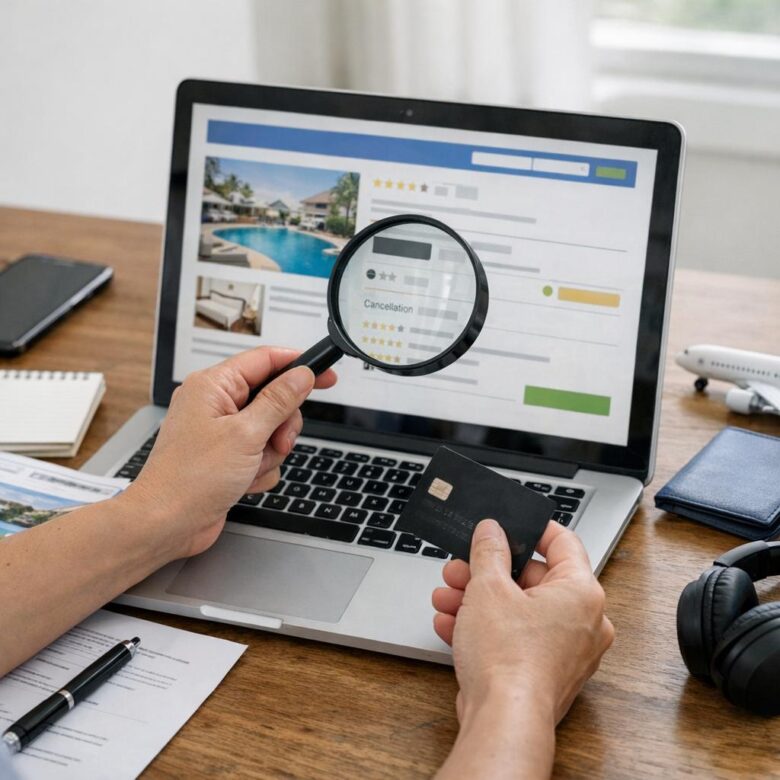
One careless click can turn a “great hotel deal” into a non-refundable headache.
Before you enter your card details, the room price is only one part of what you’re really agreeing to. Cancellation rules, hidden fees, location claims, guest reviews, and payment security can all change the true cost of your stay.
This guide shows you exactly what to check before paying online, so you can book with confidence, avoid common traps, and know when a hotel offer is worth trusting.
What to Verify on a Hotel Booking Page Before Entering Payment Details
Before typing in your card number, slow down and review the booking page like you would a contract. The room rate is only one part of the total hotel cost; taxes, resort fees, cleaning charges, parking, and city fees can change the final price significantly.
Check that the hotel name, address, room type, bed configuration, dates, guest count, and cancellation policy match what you selected. A common real-world issue is booking a “standard double room” thinking it means two beds, when in some countries it may mean one double bed for two people.
- Total price: confirm the final amount includes taxes and mandatory fees.
- Refund rules: look for free cancellation deadlines, non-refundable terms, and no-show charges.
- Payment timing: verify whether you pay now, pay at the hotel, or only reserve with a card.
Use a trusted platform such as Booking.com, Expedia, or the hotel’s official website to compare the same room and policy. If the third-party rate is cheaper, check whether it includes breakfast, airport shuttle, Wi-Fi, and baggage storage, because those services can affect the real value of the deal.
Also review the payment page security. The URL should start with HTTPS, the hotel booking site should show clear customer support details, and the card charge descriptor should make sense. If anything feels vague-especially “fees payable at property”-contact the hotel before paying.
How to Compare Hotel Policies, Fees, and Cancellation Terms Online
Before paying, compare the final booking cost-not just the nightly rate. On platforms like Booking.com, Expedia, or Google Hotels, open the “price details” section and check taxes, resort fees, service charges, parking, Wi-Fi, breakfast, and security deposit rules. A room that looks $20 cheaper can become more expensive once mandatory fees are added at checkout.
Cancellation terms deserve the same attention as price. Look for the exact deadline, the time zone used, and whether the refund goes back to your original payment method or becomes travel credit. For example, a “free cancellation until July 10” policy may actually expire at 11:59 p.m. local hotel time, which matters if you are booking from another country.
- Refundable vs. non-refundable: refundable rates cost more but reduce risk if flights, visas, or business plans change.
- Payment timing: check whether you pay now, pay at the hotel, or face a pre-authorization on your credit card.
- Extra guest and child policies: some hotels charge for additional adults, rollaway beds, or breakfast even when the room says it sleeps four.
A useful habit is to compare the same room on the hotel’s official website after finding it on a travel booking site. Sometimes direct booking includes better cancellation flexibility, loyalty benefits, free upgrades, or lower hidden fees. If the policy language is unclear, message the property through the platform before paying and save the response as proof.
Common Hotel Booking Mistakes That Lead to Extra Charges or Refund Problems
One of the most expensive mistakes is assuming “pay later” means “free cancellation.” Many hotel booking platforms separate the payment schedule from the cancellation policy, so you may still be charged the first night if you cancel after the deadline. Always check the exact local hotel time for the cutoff, especially when booking international stays.
Another common issue is ignoring taxes, resort fees, cleaning fees, parking charges, and security deposits until checkout. For example, a room that looks like $120 per night on Booking.com may cost much more once destination fees and city taxes are added. Before paying online, open the full price breakdown and screenshot it in case the hotel disputes the rate later.
- Booking the wrong room type: “Double room” may mean one bed in some countries, not two beds.
- Using a debit card: hotels may place a large temporary hold, reducing your available balance.
- Skipping refund terms: non-refundable hotel deals are often cheaper but risky without travel insurance.
I’ve seen travelers lose money because the guest name on the reservation did not match the passport or credit card used at check-in. This can trigger identity checks, denied check-in, or a request for a new payment at the front desk. If someone else is paying, confirm the hotel accepts third-party authorization forms before arrival.
For better protection, use a credit card with travel benefits, save confirmation emails, and keep records of chats with the hotel or online travel agency. If a refund is delayed, clear documentation helps with customer support, payment disputes, or a credit card chargeback request.
Wrapping Up: Hotel Booking Tips: What to Check Before Paying Online Insights
Paying for a hotel online should feel like a confirmed decision, not a gamble. Before entering card details, pause long enough to verify the total cost, cancellation terms, location, guest reviews, and booking source.
Practical takeaway: choose the option that gives you the clearest proof of value and protection, not simply the lowest displayed rate. If pricing is unclear, policies are restrictive, or the listing feels inconsistent, it is safer to keep looking. A few minutes of checking before payment can prevent hidden fees, poor stays, and refund disputes later.